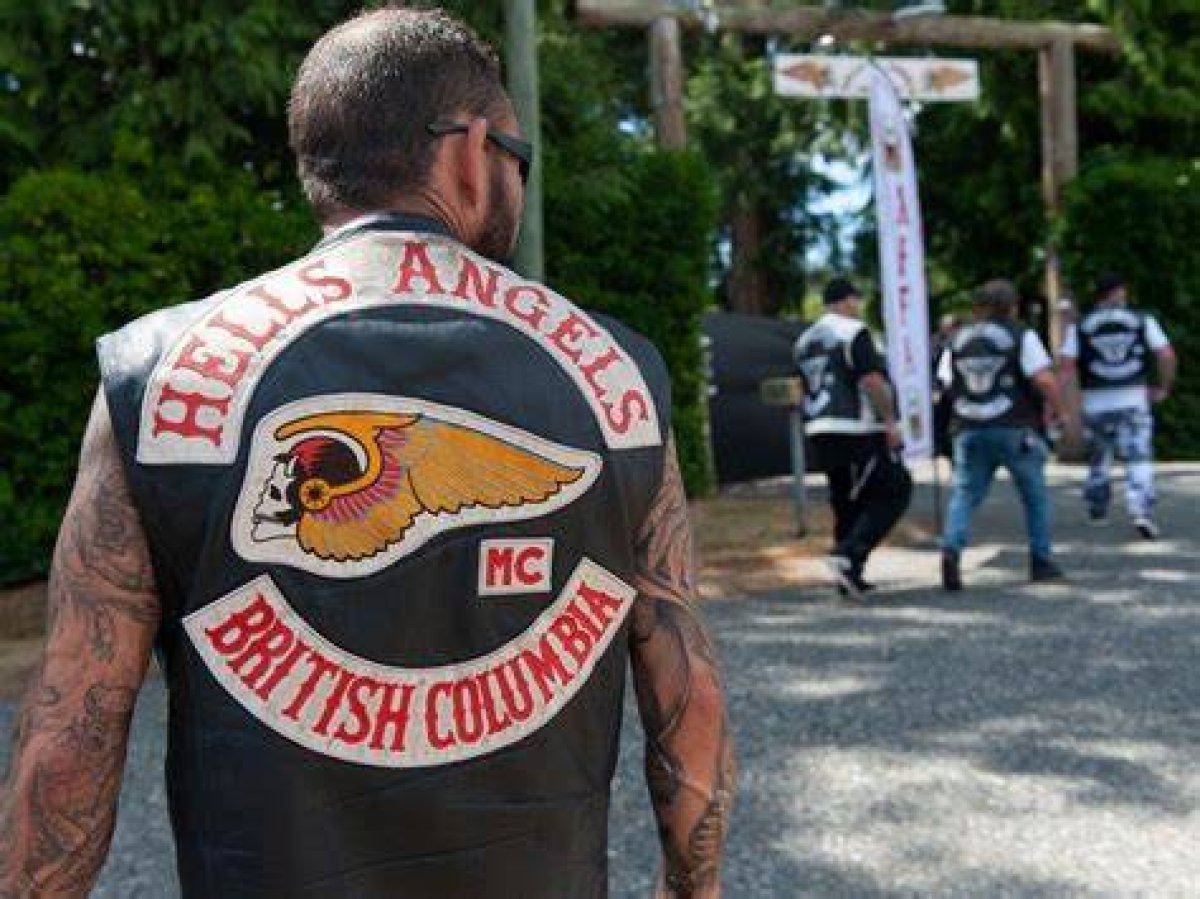
The Hells Angels Motorcycle Club is one of the most infamous motorcycle clubs in the world, known for its rebellious spirit, distinctive insignia, and a storied history that intertwines with the culture of the American biker community. Founded in 1948, the club has traditionally been associated with a particular demographic, often perceived as predominantly white. Yet, as society evolves, so do the dynamics within these organizations. A question that frequently arises is: does Hells Angels have any black members?
As we delve deeper into this topic, it’s essential to consider the cultural and social implications surrounding membership in such a storied club. The Hells Angels have a reputation for being exclusive, with a rigorous vetting process for prospective members. This exclusivity raises important questions about the club's internal dynamics and how they align with or challenge societal norms regarding race and inclusion. The inquiry into whether black members exist within the Hells Angels is not merely about numbers; it embodies a broader discussion about diversity, representation, and the shifting landscape of subcultures.
In this exploration, we will examine the history of the Hells Angels, their membership policies, and any documented evidence of black members. Through interviews, firsthand accounts, and existing literature, we aim to paint a comprehensive picture of the club and its approach to diversity. Ultimately, this article seeks to answer the question: does Hells Angels have any black members, and what does this mean for the future of biker culture?
What is the History of the Hells Angels Motorcycle Club?
The Hells Angels Motorcycle Club originated in California in the late 1940s. The first chapter was established in San Bernardino, and it quickly grew in popularity. The club’s name was borrowed from a World War II bomber squadron and was adopted to represent a sense of brotherhood and camaraderie among its members. Over the decades, the Hells Angels have become synonymous with a lifestyle that celebrates freedom, rebellion, and a certain code of conduct.
What Are the Membership Requirements for Hells Angels?
Membership in the Hells Angels is not easily attained. The club has strict criteria that potential members must meet, including:
- Owning a Harley-Davidson motorcycle
- Being sponsored by a current member
- Completing a probationary period
- Embodying the club’s values and lifestyle
These requirements create an exclusive environment that has, historically, been perceived as predominantly white. However, as the cultural landscape changes, so too do the dynamics within the club.
Does Hells Angels Have Any Black Members?
While the Hells Angels are often viewed through a lens of racial homogeneity, there have been reports and anecdotal evidence suggesting that there are indeed black members within the club. However, detailed information about these members is scarce, often due to the secretive nature of the club and the stigma associated with being a part of such an organization.
How Does the Hells Angels Club Approach Diversity?
The approach to diversity within the Hells Angels is complex. The club prides itself on its brotherhood and loyalty, which can sometimes overshadow discussions about race and inclusion. While the club has historically been criticized for its lack of diversity, some chapters have made strides toward being more inclusive.
Are There Any Known Black Members of Hells Angels?
There are a few known instances of black individuals who have been associated with the Hells Angels. These members often navigate a unique set of challenges within the club, balancing their identity with the club's traditionally white image. While there may not be extensive documentation of black members, their presence indicates a shift in the club’s demographic landscape.
What Does This Mean for the Future of Hells Angels?
The inclusion of black members in the Hells Angels could signal a broader acceptance and evolution of the club's identity. As society increasingly values diversity and inclusion, motorcycle clubs like the Hells Angels may feel the pressure to adapt. This evolution could lead to a more balanced representation of races within the club, reflecting the changing face of motorcycle culture.

